
Translate
Make scientific knowledge practical for general clinicians and medical trainees.
Our work / Academic learning
Continuing education and capacity building translate psychiatric knowledge into practical, ethical and culturally responsive care.
The central idea
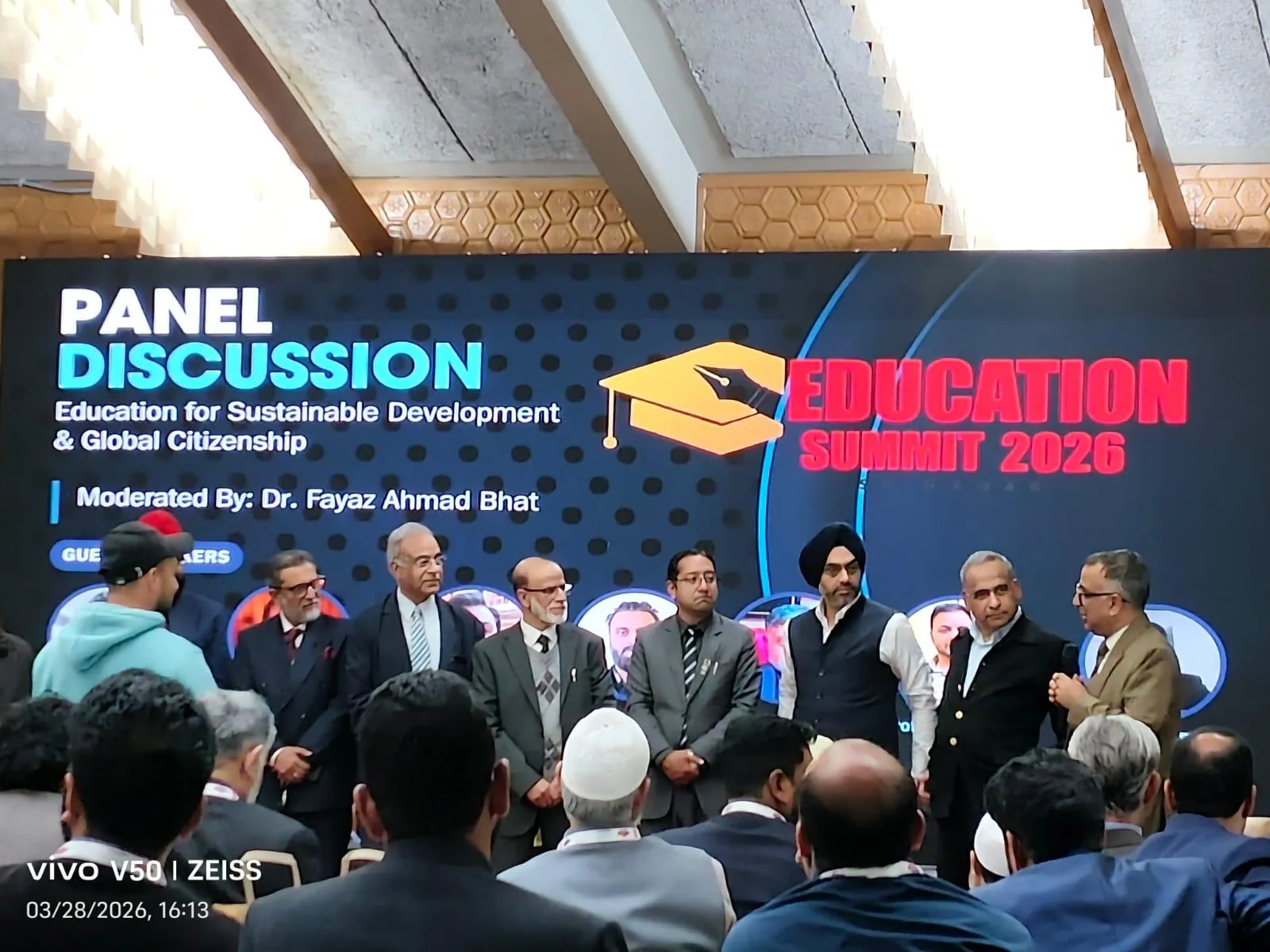
SAWAB’s academic work includes Continuing Medical Education, training for clinicians and medical trainees, and knowledge sharing around mental-health care protocols.
The emphasis is not on information alone. Learning is connected to clinical judgement, cultural responsiveness and the practical conditions in which care must be delivered.
How the work moves
Make scientific knowledge practical for general clinicians and medical trainees.
Use continuing education as a space for evidence, experience and judgement to meet.
Strengthen the wider system’s ability to recognise and respond to mental-health needs.
Recorded learning
Watch the first part of this CME symposium on disaster trauma, PTSD and resilience, featuring Dr. Mushtaq Ahmad Margoob.
Watch on YouTubeIn development
Five practical manuals are being developed for the people who shape learning, family life and emotional wellbeing. Preview the collection and register for early access.
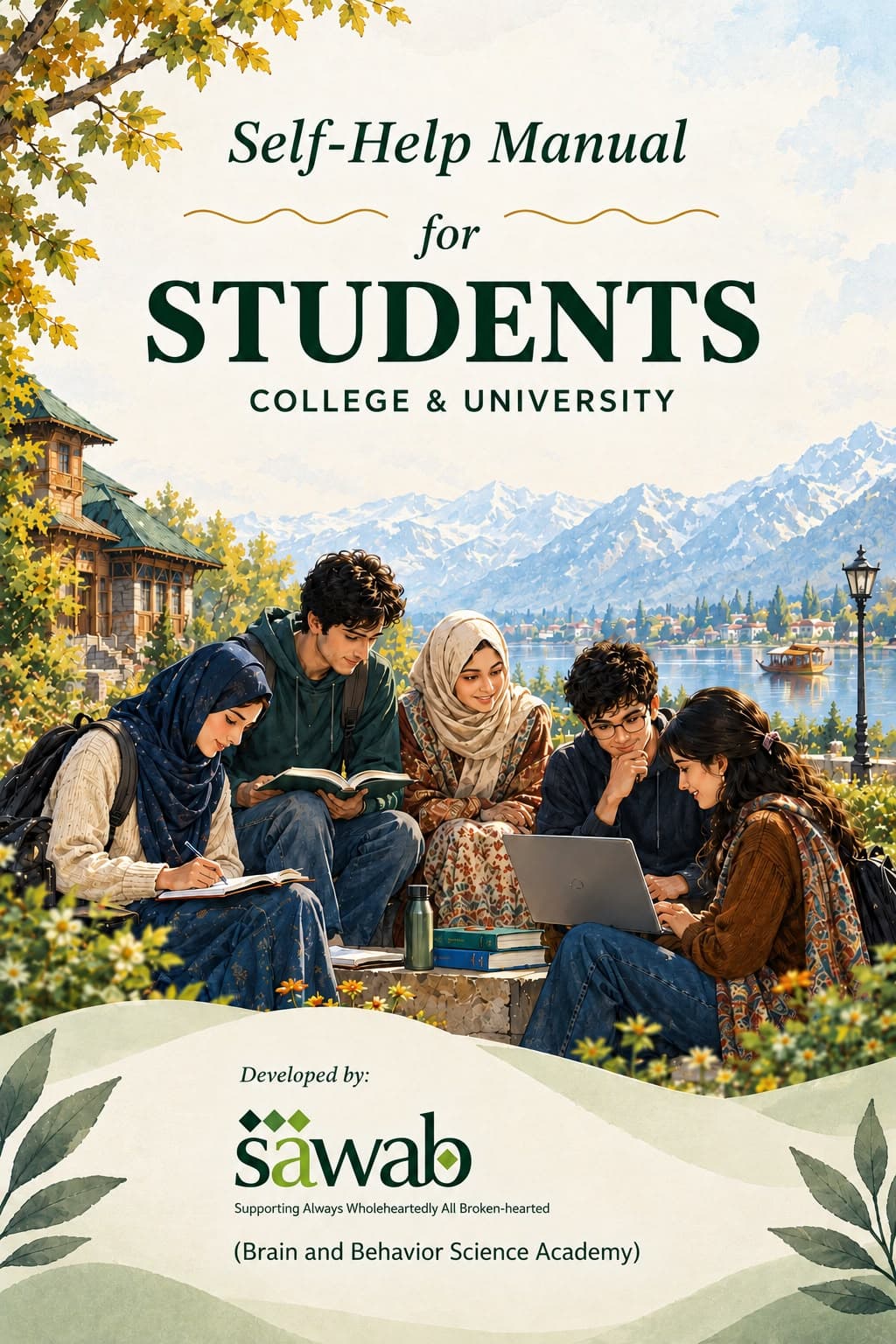
College & university

Classroom support
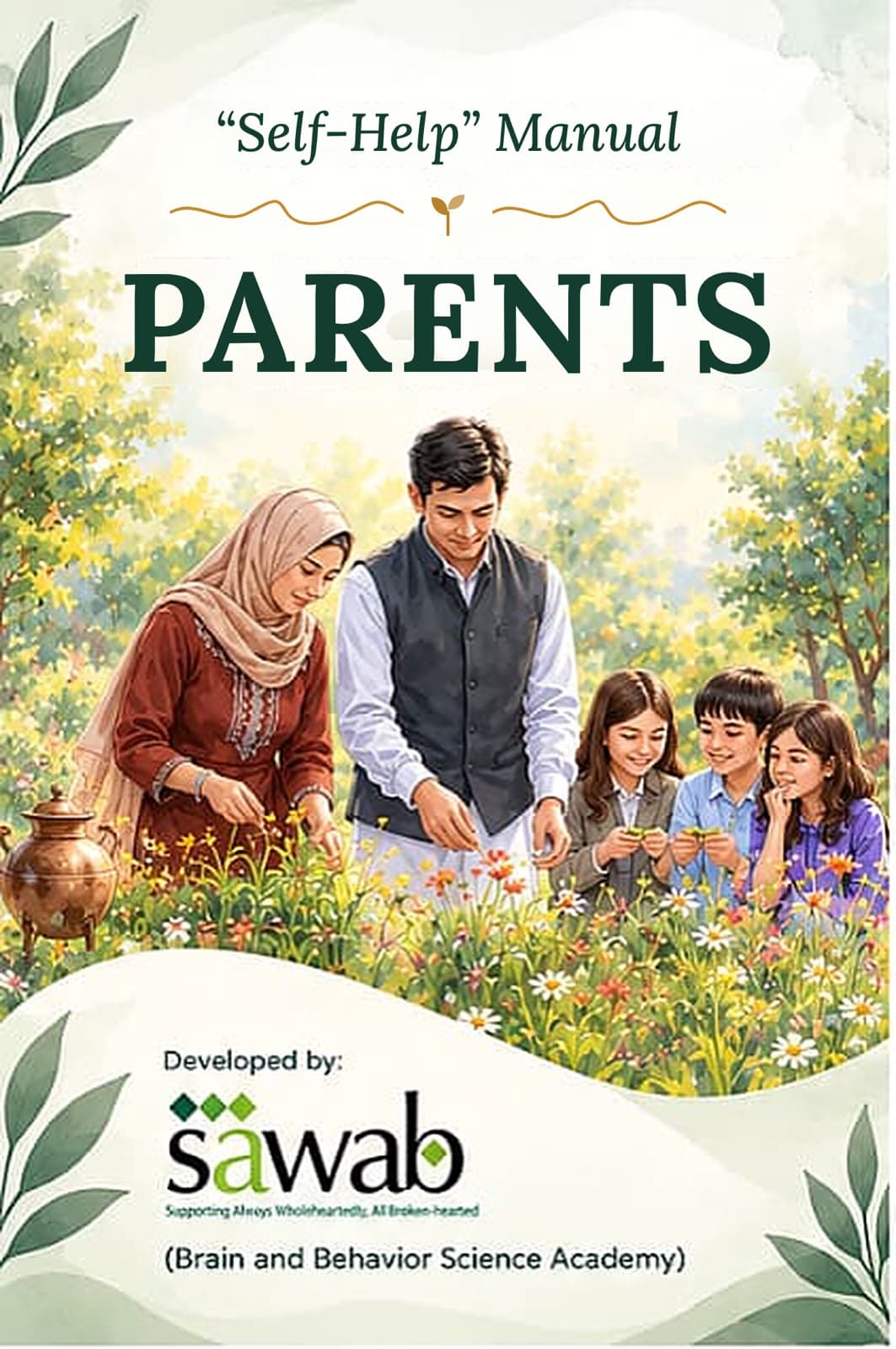
Family guidance
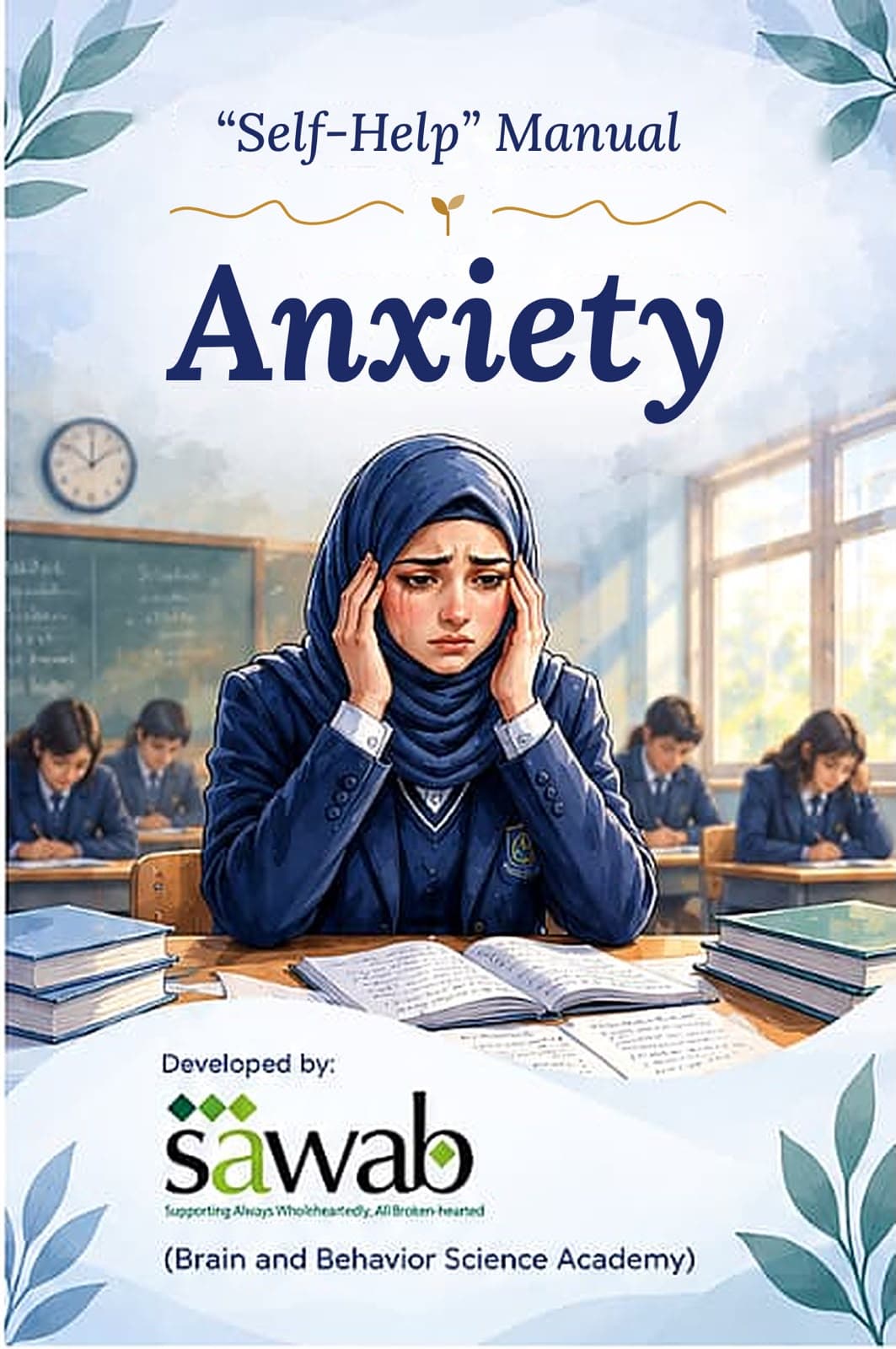
Understand and respond
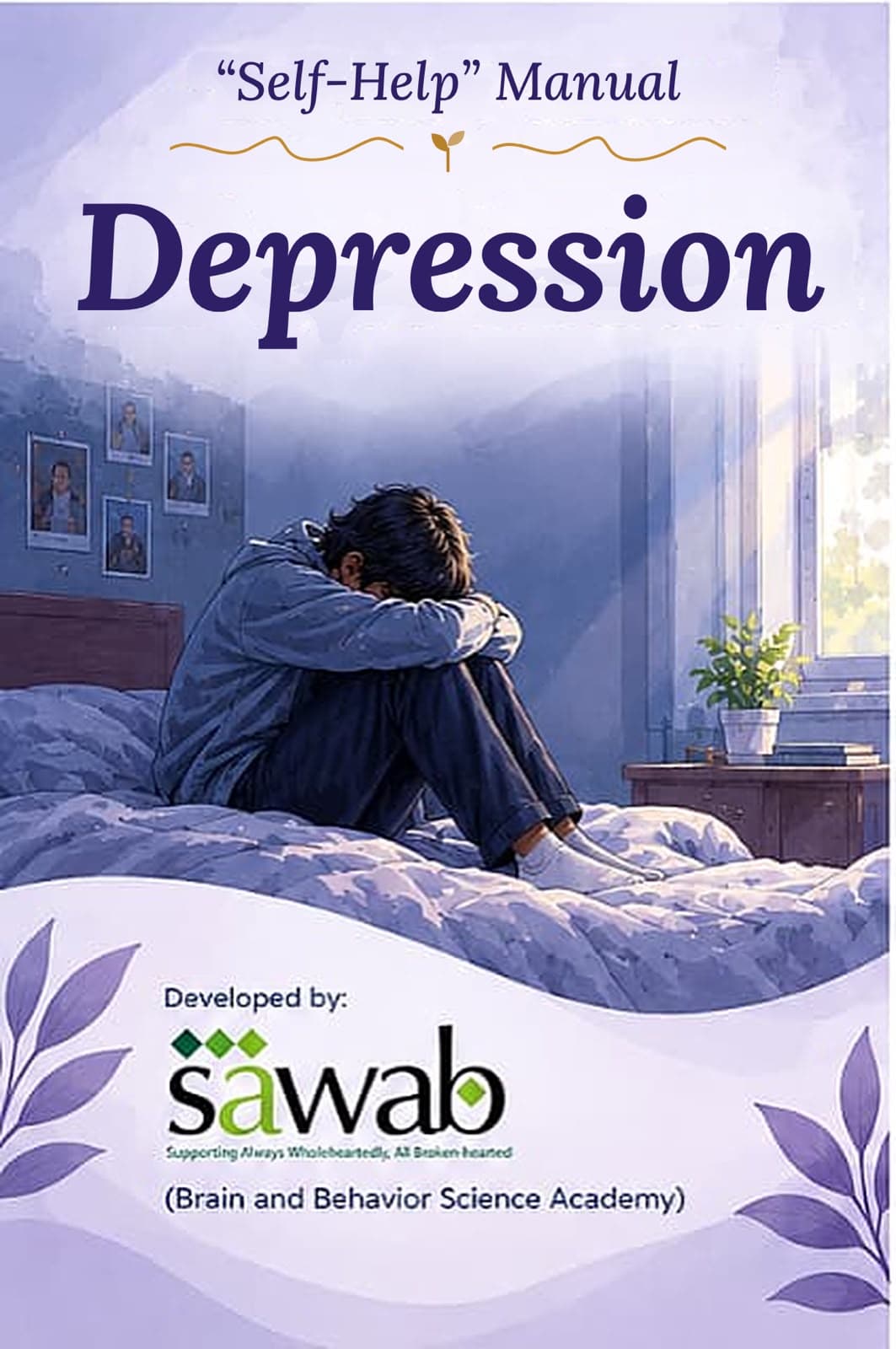
Recognise and seek support
Selected evidence
A focused selection of original reports, studies and programme records connected to this field.
PubMed Central
PubMed Central
International Journal of Emergency Mental Health
ResearchGate record
In the public record
Reporting connects continuing education and practical self-help resources with the needs they are designed to meet.
Explore the full press archiveAn overview of adolescent mental health and SAWAB's practical self-help modules for students, parents and teachers, including anxiety and depression.
Coverage of a continuing medical education programme focused on earlier recognition, informed caregiving and better preparedness for dementia.
A detailed account of the Srinagar conference that brought clinicians, public-health specialists, community leaders and NGOs into one shared agenda.
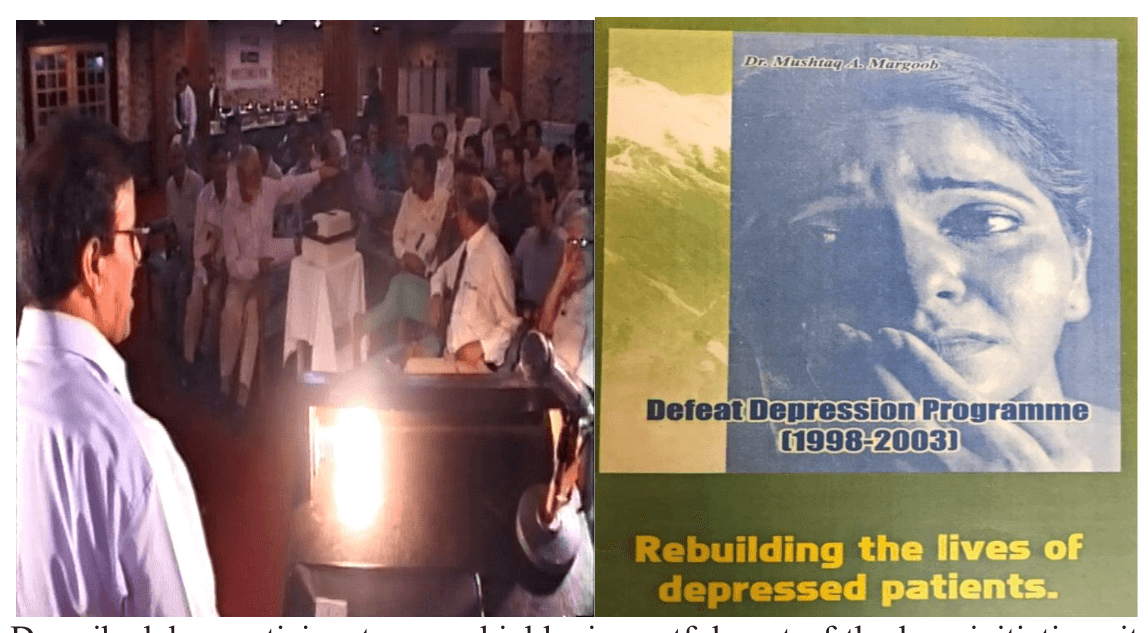
1998–2003
A strategic response to the shortage of mental-health professionals, equipping faculty, trainees and frontline doctors to recognise and manage common mental disorders.
View the programme in SAWAB’s impact storyContinue through the connected domains.
Next: Rehabilitation